WHAT NEW PR TRENDS MEAN FOR AFRICAN BRANDS
There are more demands than ever for practitioners to demonstrate the integrity and trustworthiness their messaging conveys
Article published in businesslive.co.za/redzone – 15 July 2025 – 12:00
by Ethel Ramos
IMAGE/PICTURE SOURCE: 123RF/eamesbot
As the global communications community reflects on the evolving role of public relations (PR) in a world marked by division, distrust and digital disruption on World PR Day — celebrated annually on July 16 — PR professionals are challenged to become architects of connection: designing honest dialogue, restoring fractured trust and helping organisations communicate with purpose and responsibility.
This year’s theme, “Public relations as bridge architecture: strategic communication for trust and dialogue in a polarised world”, invites us to think beyond campaigns and coverage.
Africa’s communications landscape isn’t just shifting, it’s being rebuilt, and PR is the lead architect. In a world fractured by distrust, division and disinformation, our job is no longer about controlling the message. It’s about building bridges between brand and audience, company and community, and promise and practice.
A press release won’t earn you public trust. A trending campaign won’t cover up cultural tone deafness. And when your actions contradict your messaging, no amount of spin can restore credibility.
We’re in the middle of a reputational reckoning. For African PR professionals, this isn’t just a change of tools, it’s a transformation of purpose. Here are three powerful shifts reshaping public relations as a discipline of bridge architecture: strategic, human-centred and trust-driven.
1. Culture is the bridge to relevance
We once chased headlines. Today, we chase meaning. Cultural moments now move faster than any newsroom can keep up with and audiences expect brands to understand and reflect the zeitgeist in real time.
From amapiano to “soft life”, township fashion and TikTok activism, culture in Africa is fluid, political and hyperlocal. In South Africa especially, culture doesn’t just influence perception — it is perception.
To earn trust in this context, PR must evolve beyond media placements. We must become cultural interpreters and active participants in real-time dialogue. The future of relevance is built on fluency, empathy and the ability to engage meaningfully.
2. Influence is earned, not bought
In polarised, low-trust environments, audiences look to people, not platforms, for truth. African creators, citizen-journalists and curators are no longer just “influencers”, they’re narrative architects and community translators.
“A campaign celebrating women means little if the boardroom lacks gender equity. A climate pledge falls flat without transparent supply chain reform”
But trust isn’t for sale. It’s earned through alignment. The creators with the most cultural capital are gatekeepers to community credibility and they won’t risk that capital for brands whose values don’t align.
Today’s PR leaders must learn to collaborate, not manage. To co-create, not script. In a landscape where traditional institutions are suspect, the most powerful bridge to understanding and legitimacy is authentic, peer-to-peer influence.
3. Reputation is a bridge of behaviour
More than ever, reputation is not what you say. It’s what you do, especially when it’s hard, especially when no one is watching.
In Africa’s socially conscious and politically charged climate, the gaps between brand promises and internal realities are under intense scrutiny. A campaign celebrating women means little if the boardroom lacks gender equity. A climate pledge falls flat without transparent supply chain reform.
Brands are no longer judged by their messages alone but by the alignment between their values and their actions. In today’s climate, silence is a stance. Inconsistency is a breach. The strongest reputational bridges are built from policy, accountability and vulnerability.
What this means for PR leaders is that PR has entered its bridge-building era. We are no longer just perception managers; we are trust engineers, narrative stewards and dialogue facilitators.
That means the following qualities: to be culture driven, to understand the dynamics that shape meaning; to be stakeholder-anchored, ensuring inclusive, honest communication; to be action led, because behaviour is the loudest brand statement; to be AI-literate, to move at the speed of cultural change; and, above all, to be radically transparent, because trust only grows where truth is visible
The PR professionals who will shape the next decade won’t be masters of spin. They’ll be masters of connection who are willing to listen deeply, act with integrity and build bridges where walls once stood.
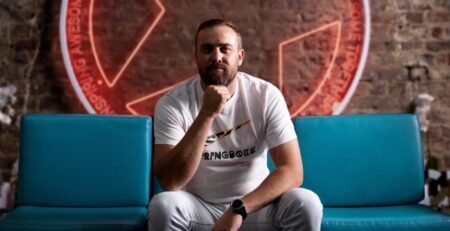
Ethel Ramos is a Pan-African PR and communications consultant who partners with IPO-ready and growth-stage businesses, helping leaders show up with clarity and conviction at pivotal moments.
THE BIG TAKE-OUT: The PR professionals who will shape the next decade won’t be masters of spin. They’ll be masters of connection, willing to listen deeply, act with integrity and build bridges where walls once stood.